I remember the first time I encountered a “spin-to-win” feature. It was in a mobile game, and I was hooked instantly. The anticipation as the wheel spun, the flashing lights, the triumphant sound when it landed on a prize – it was pure dopamine. This captivating experience isn’t unique to games; spin-to-win mechanics are everywhere, from online marketing promotions to loyalty programs. They’re designed to grab your attention and keep you engaged.
But, what exactly makes spin-to-win so effective? Is it just luck, or something more strategic at play? This article dives deep into the world of spin-to-win, offering an expert’s perspective on the psychology, design, and, importantly, the ethical considerations behind these game mechanics. Readers will gain a comprehensive understanding of how these systems work, why they’re so effective at driving player engagement, and how to approach them responsibly.
The Psychology of the Spin: Why It’s So Irresistible
Spin-to-win mechanics possess an undeniable allure, deeply rooted in fundamental psychological principles. The appeal isn’t random; it’s carefully constructed, tapping into core human desires and cognitive biases. Anticipation, the illusion of control, the promise of variable rewards, and even a touch of nostalgia combine to create an experience that’s hard to resist. It all boils down to how these elements interact with the brain, triggering responses that encourage continued engagement.
Anticipation and the ‘What If’ Factor
A significant part of the excitement surrounding spin-to-win comes from anticipation. Unlike simply revealing a prize upfront, the spinning wheel creates suspense. The brain’s reward centers activate with each ‘what if’ scenario, imagining the possibilities as the wheel slows down. The suspense makes the experience more potent. The digital format offers a way to amplify that “What if…” feeling with visual and audio cues.
The Illusion of Control: Feeling Involved
The “illusion of control” contributes to the addictive nature of spin-to-win. Even when the outcome is entirely random, the feeling of personal involvement enhances engagement. The belief, even subconsciously, that one can influence the result fuels further participation.. Casino environments are a prime example of this reinforcement, where players often develop rituals believing they impact the game’s outcome. A sense of agency, even if illusory, amplifies the appeal..
Variable Rewards: The Dopamine Rush
Variable rewards are crucial to the stickiness of spin-to-win setups. The unpredictability of what you might win is what makes it so thrilling.. Similar to how social media notifications deliver intermittent bursts of dopamine, the chance of hitting a jackpot keeps players engaged. The promise of rewards, even small ones, release dopamine, reinforcing the behavior and encouraging further spins.
Nostalgia: A Familiar Feeling
Nostalgia also plays a subtle role in the appeal of spin-to-win. These mechanics often evoke memories of classic carnival games, game shows, or even childhood board games. This sense of familiarity creates a comfortable and positive association, making the experience more enjoyable. By tapping into these nostalgic feelings, spin-to-win interfaces gain an instant connection and sense of fun.
Game Design Elements That Amplify the Thrill
The magic behind captivating spin-to-win games lies in a carefully orchestrated blend of game design elements. These techniques tap into our innate psychological responses, transforming a simple game into an immersive and thrilling experience. From the strategic use of visual and audio feedback to the tantalizing “near-miss effect,” every detail is meticulously crafted to heighten engagement and maximize player enjoyment. Other dynamics, like cascading wins and carefully unlockable content, maintain flow state for user.
Sensory Feedback: Lights, Sounds, and Animations
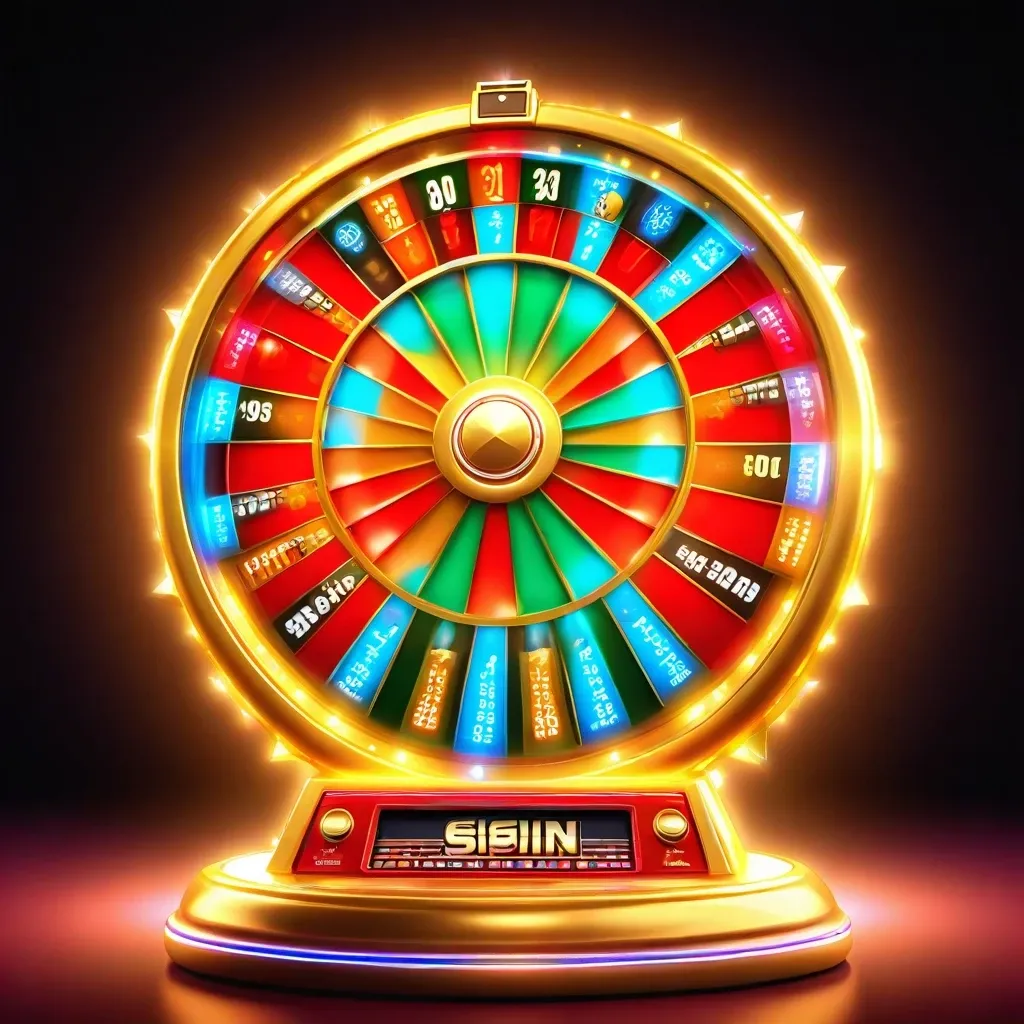
Sensory feedback is the cornerstone of an engaging spin-to-win experience. Bright visuals, dynamic animations, and carefully chosen sound effects work in harmony to create a sensory-rich environment. When the reels align just right, a burst of celebratory lights, accompanied by an exhilarating chime, floods the screen, instantly signaling a win and triggering a rush of dopamine. The more dazzling the display, the more pronounced the feeling of reward.
The Near-Miss Effect: Almost There!
The near-miss effect is a powerful psychological trigger that keeps players hooked. When the reels stop just shy of a winning combination, the brain interprets this “almost win” as a sign that success is within reach. This near miss creates a potent mix of disappointment and heightened motivation, compelling players to spin again in pursuit of that elusive victory. The anticipation becomes, at times, almost intoxicating.
Cascading and Chain Wins: Endless Excitement
Cascading wins, also known as chain wins, elevate the excitement of spin-to-win games by turning a single win into a potentially endless chain of payouts. When a winning combination occurs, the symbols disappear, and new symbols cascade from above to fill the empty spaces. If these new symbols create another winning combination, the process repeats, creating a visual spectacle of exploding symbols and escalating rewards. This fuels a sense of visual saturation, which increases adrenaline and anticipation.
Unlockable Content and Bonus Ladders: Progression and Mastery
Unlockable content and bonus ladders add a layer of progression and mastery to spin-to-win games, transforming casual play into a journey of achievement. As players accumulate wins or reach certain milestones, they unlock new levels, features, or bonus games. This sense of progression taps into our innate desire for accomplishment, providing a continuous stream of goals to strive for and a feeling of expertise.
Ethical Considerations and Responsible Design
While gamification and similar engagement mechanics offer exciting possibilities, acknowledging their potential downsides is crucial. Addiction and exploitation are valid concerns that must be addressed through responsible design. This approach prioritizes transparency, informed consent, and, above all, player well-being, ensuring that engagement is both enjoyable and ethically sound.
Combating Addiction: Promoting Responsible Gaming
Responsible gaming begins with acknowledging the potential for addiction. Setting limits within game mechanics, providing clear information about odds, and offering self-exclusion options are vital steps. Embracing these strategies demonstrates a commitment to combating addiction and fosters a healthier gaming environment.
Avoiding Exploitation: Fair and Balanced Systems
Game design should strive for fairness and balance, preventing the exploitation of vulnerable players. Mechanics that prey on cognitive biases or create undue pressure can be deeply problematic. Prioritizing ethical design ensures that all players have a positive experience, regardless of their individual vulnerabilities.
Transparency and Informed Consent: Empowering Players
Transparency is key to building trust and empowering players. Clearly communicating the odds, risks, and rewards associated with any game mechanic allows players to make informed decisions. For example, disclosing the probability of obtaining a rare item in a loot box allows players to accurately evaluate the value proposition, which can help to protect vulnerable users.
Spin-to-Win Across Platforms: Case Studies
The “spin-to-win” mechanic, rooted in simple chance and reward, has become a surprisingly versatile tool across diverse industries. From the glittering floors of casinos to the strategic campaigns of marketing firms and even the classrooms of modern education, the allure of a spinning wheel holds a unique power. Examining specific deployments of this strategy reveals the core reasons for its widespread adoption and continued success.
Casinos: The Classic Application
Casinos remain the most recognizable home of “spin-to-win.” Slot machines, with their mesmerizing reels, and the roulette wheel, a symbol of sophisticated gambling, exemplify this mechanic. The immediate gratification and a small element of control, despite the inherent randomness, fuels the excitement and adrenaline rush gamblers crave.
Marketing: Engaging Customers and Driving Conversions
Savvy marketers have adapted “spin-to-win” to capture attention and boost conversions. Offering discounts, exclusive content, or free trials through a virtual spinning wheel incentivizes engagement. This gamified approach helps generate leads, reduce bounce rates, and create a more interactive user experience, turning passive browsers into active participants.
Education: Gamifying Learning
Educators are increasingly leveraging “spin-to-win” to make learning more engaging and rewarding. By incorporating elements of chance and surprise into quizzes, activities, or lesson reviews, educators motivate students and reinforce knowledge retention. A quick spin can determine bonus points, unlock special content, or trigger a fun learning challenge.
Mobile Apps and Website Design: User Acquisition & Retention
In the competitive landscape of mobile apps and website design, user acquisition and retention are paramount. “Spin-to-win” features offer a compelling solution. By offering daily spins for in-app currency, bonus features, or exclusive content, developers can incentivize users to return regularly, fostering loyalty and increasing the long-term value of their platform.
Implementing Spin-to-Win Strategies: A Step-by-Step Guide
Define Your Goals: What Do You Want to Achieve?
Before diving into the exciting world of spin-to-win, it’s crucial to define crystal-clear objectives. What key performance indicators (KPIs) will determine success? Are you aiming to boost email sign-ups, drive sales, or increase user engagement? Establish specific, measurable goals to guide your strategy and allow for accurate tracking.
Design a Compelling Experience: Visuals, Rewards, and User Flow
User experience is paramount. Craft a visually stunning interface that immediately grabs attention. Carefully consider the rewards structure; are they enticing and relevant to your audience? Map out a seamless user flow, ensuring the spin-to-win mechanic is intuitive and enjoyable. A well-designed experience keeps users engaged and eager to spin again.
Develop and Test: Ensuring Functionality and Engagement
Rigorous development and testing are vital. Thoroughly check the functionality of the spin wheel, ensuring smooth animations and accurate reward distribution. Test across various devices and browsers to guarantee a consistent user experience. Quality assurance at this stage prevents frustrating glitches and maintains user engagement.
Analyze and Iterate: Optimizing for Success
Once your spin-to-win strategy is live, continuous analysis is key. Monitor performance metrics like participation rates, conversion rates, and user feedback. Use this data to identify areas for optimization. The process of iteration, refining your design and rewards based on real-world results, is crucial for maximizing success.
Conclusion: The Future of Spin and Win
The “spin to win” mechanic, a potent cocktail of psychology and game design, has firmly established itself in the digital landscape. Understanding the underlying principles – the allure of intermittent rewards, the excitement of near misses, and the perceived control – is crucial for both designers and consumers. Recognizing these elements allows for a more informed interaction with these systems, whether it’s crafting ethical designs or navigating them as a user.
Looking ahead, the evolution of spin-to-win mechanics will likely involve increased personalization, leveraging user data to tailor the experience and heighten engagement. We might also see a greater emphasis on gamification in non-entertainment contexts, such as education and wellness programs. As technology advances, the possibilities for innovation are endless.
The ongoing conversation surrounding the ethics and potential impact of these mechanics is essential. Share your experiences and insights on the ever-evolving world of spin-to-win and contribute to a more responsible and engaging digital environment.