
I’ve lost count of the times I’ve been cornered at a party, or even in a grocery store, by someone convinced that slot machines are nothing but a scam. They’ll lean in conspiratorially and whisper about rigged algorithms and casinos lining their pockets. And honestly, I get it. The flashing lights, the spinning reels, the near misses – it all feels a little too good to be true, especially when you’re on a losing streak.
But as someone who’s spent years working behind the scenes in the online slots and casino games industry, let me tell you: the truth is a lot more nuanced than a simple “rigged” or “not rigged” answer. We’re going to dive into the fascinating world of slot machine algorithms, unpack the technology that drives these games, and separate fact from fiction. Forget the hearsay and the conspiracy theories. Get ready for an evidence-based explanation and transparent experience, shedding light on how Random Number Generators work and the regulations that ensure fair play.
Demystifying Slot Machine Algorithms
Slot machine algorithms are the hidden engine powering every spin and flashing light you see. Forget the idea of purely mechanical reels; modern slot games are driven by complex mathematical formulas. These algorithms determine everything from the symbols that land on the screen to the frequency and size of payouts. Think of it like the recipe for your favorite dish – the algorithm dictates the ingredients and how they combine to create the final result.
While the concept might sound intimidating, understanding the basics can enhance your appreciation for the games. These algorithms are designed to be random, ensuring fairness and an element of chance. Key components include the Random Number Generator (RNG), Return to Player (RTP), and volatility, each playing a crucial role in the overall gaming experience. Imagine a slot machine spitting out numbers constantly. When someone plays, system saves particular number, which corresponds to a particular combination of symbols. It’s that simple, and incredibly complex! These algorithms ensure transparency and reliability, and players can make informed choices and enjoy the excitement of the game with complete peace of mind.
How RNG Works
At the heart of every slot machine algorithm lies the Random Number Generator (RNG). This isn’t a physical device but sophisticated software that constantly generates a sequence of random numbers. Numbers are generated even when a player is not playing. When you hit the spin button, the algorithm grabs the latest number to determine the outcome. The RNG ensures each spin is independent and has an equal chance of winning, regardless of previous results. Each spin exists isolated in a digital chaos.
To maintain fairness, casinos must demonstrate that each spin is independent of previous spins. This is often achieved through rigorous testing and certification of the RNG software. This ensures the integrity of the gaming algorithm and makes sure the players can trust it.
The Role of Random Number Generators (RNGs)
Random Number Generators (RNGs) are the heart of fair play in slot machines. They are what ensures every spin is independent and unpredictable. An RNG is a sophisticated algorithm that produces a continuous stream of numbers, even when the slot machine is idle. These numbers determine the outcome of each spin, turning abstract code into the exciting visuals of spinning reels. What’s truly remarkable is the speed at which they operate; an RNG can generate thousands, even millions, of numbers per second. This rapid-fire generation lays the groundwork for the immediate results players see on screen.
The algorithms used within RNGs aren’t just any lines of code; they’re carefully crafted to produce sequences that withstand intense statistical scrutiny. These sequences are tested for characteristics like uniformity (every number has an equal chance of appearing) and independence (one number doesn’t predict the next). Only algorithms that pass strict statistical tests are approved for use in slot machines.
Regulatory Oversight and Testing
Slot machine randomness isn’t just a claim made by casinos—it’s a legal obligation enforced by gaming commissions and regulatory bodies. These organizations set rigorous standards that manufacturers and operators must meet. They conduct independent testing to validate RNG integrity, ensuring the machines aren’t rigged in any way. This involves analyzing vast amounts of spin data to confirm that each spin is genuinely independent of previous spins and that the odds align with the game’s stated payout percentage. This regulatory oversight assures players that the games are fair and transparent.

Debunking Common Slot Machine Myths
Machines Are “Due” For A Win
One of the most persistent slot machine myths is the idea that a machine is “due” for a win. This belief suggests that after a period of losses, a slot machine is more likely to pay out soon. However, this is a complete misunderstanding of how slot machines operate. Each spin is an independent event, governed by a Random Number Generator (RNG). The RNG ensures that every spin has the same odds as the last, regardless of previous outcomes. Thinking a machine is “due” is like believing a coin is more likely to land on heads after a series of tails – the odds remain 50/50 every time.
Casinos Tighten Machines On Weekends And Holidays
Another common misconception is that casinos manipulate slot machine payout rates on weekends and holidays, supposedly “tightening” the machines to increase profits during peak times. This myth is also untrue. While casinos can adjust payout percentages, they cannot do so instantaneously or based on the day of the week. Changing the payout percentage of a slot machine requires physical access to the machine’s internal computer and is a heavily regulated process. Casinos wouldn’t risk their licenses by engaging in such deceptive practices. The RNG ensures fair and random outcomes at all times, regardless of when you’re playing.
Understanding RTP, Volatility, and House Edge
Navigating the world of online slots involves more than just spinning reels and hoping for the best. Understanding fundamental concepts like RTP (Return to Player), volatility, and house edge is crucial for a more informed and potentially rewarding gameplay experience. These elements dictate, to a significant extent, how often a slot pays out and the size of those payouts.
Decoding RTP: What You Get Back
RTP, or Return to Player, represents the percentage of wagered money that a slot machine is statistically likely to return to players over a long period. For instance, a slot with a 96% RTP suggests that, on average, for every $100 wagered, the game will pay out $96 in winnings. It’s vital to remember that this is a theoretical average calculated over millions of spins; individual sessions can vary wildly. RTP serves as a benchmark for comparing different slots, with higher RTP generally implying a better long-term payout potential for the player.
Volatility: Ride the Waves of Risk
Volatility, sometimes referred to as variance, describes the level of risk associated with playing a particular slot. High volatility slots offer the potential for substantial payouts, but these wins occur less frequently. Conversely, low volatility slots provide more consistent, albeit smaller, wins. Choosing between high and low volatility depends on your risk tolerance and playing style. High volatility slots suit players with larger bankrolls seeking big scores, while low volatility options are better for those who prefer frequent wins and extended playtime.
House Edge: The Casino’s Advantage
The house edge is the inverse of the RTP and represents the casino’s profit margin on a particular game. If a slot has a 96% RTP, the house edge is 4%. This means that, in the long run, the casino expects to retain 4% of all money wagered on that slot. While you can’t eliminate the house edge, understanding it helps you make informed decisions about which games to play. It’s a statistical advantage that always favors the casino, but doesn’t preclude the possibility of individual players winning.
In summary, RTP, volatility, and house edge are interconnected metrics that significantly influence your slot playing experience. Evaluating these factors won’t guarantee wins, but it dose empower you to make wiser choices, manage your bankroll effectively, and select games that align with your risk appetite and preferred gameplay style.
The Illusion of Control: Why Gambler’s Fallacy Persists
The allure of slot machines lies, in part, in a cognitive distortion known as the gambler’s fallacy. This fallacy is the mistaken belief that if something happens more frequently than normal during a given period, it will happen less frequently in the future (or vice versa). For example, a player might think, “This machine hasn’t paid out in a while, so it’s due for a win!” The reality is that each spin of the reels is an independent event, governed by a random number generator. Past outcomes have absolutely no influence on future results.
Adding to the illusion is the near-miss effect. Casinos intentionally design slot machines to produce near-misses – symbols aligning just short of a winning combination – more frequently than would occur by chance. This gives players the feeling that they were close to winning, fueling the desire to keep playing. The near-miss activates the same reward pathways in the brain as an actual win, reinforcing the illusion of control and increasing the likelihood of continued gambling.
Recognizing these cognitive biases is the first step to overcoming them. When you find yourself thinking that a machine is “due” for a win, or feeling excited by a near-miss, use a thought-stopping technique. Mentally say “stop,” or visualize a stop sign to interrupt the irrational thought pattern. For example, imagine a player who has been spinning for an hour with no wins. Thoughts creep in: “I’ve put so much in, it has to pay out soon!” Recognizing this as the gambler’s fallacy allows the player to make a more rational decision – to walk away and cut their losses.
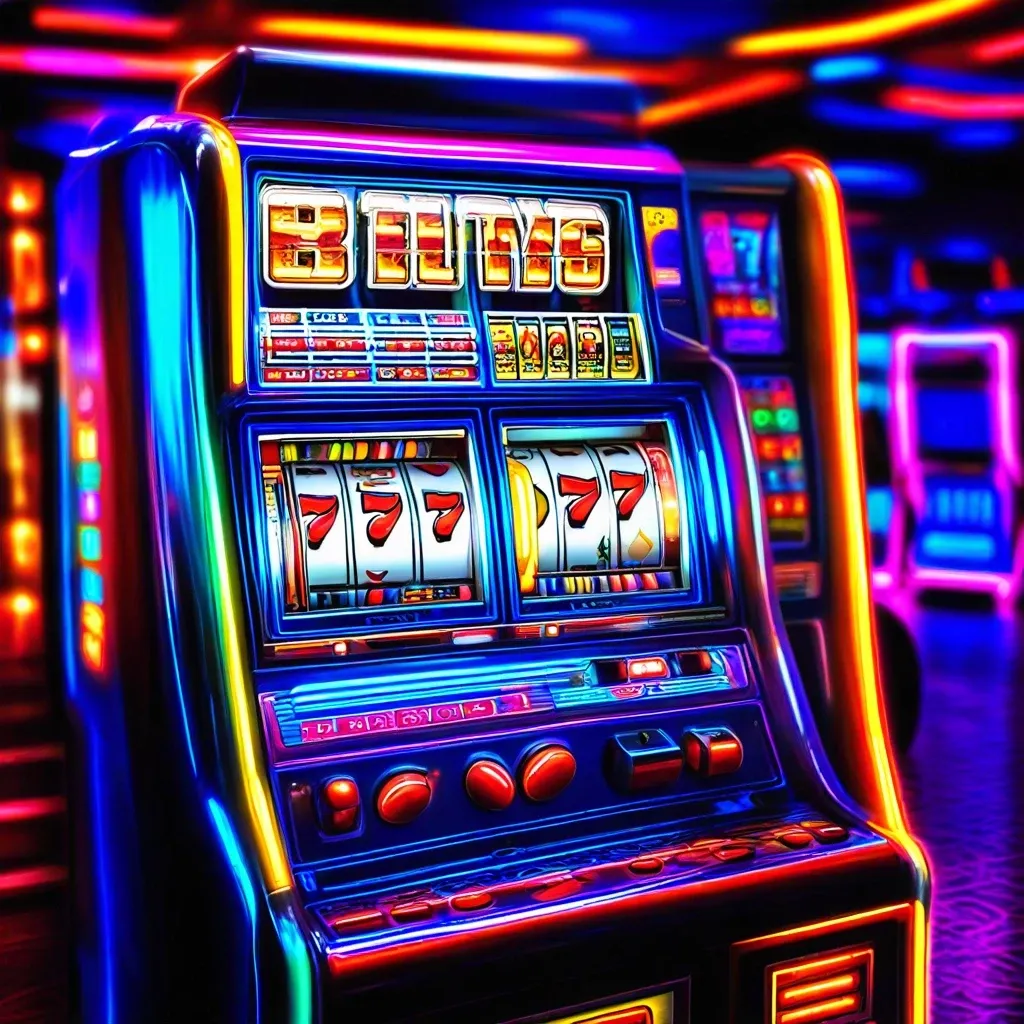
Responsible Gaming: Play Smart, Stay Safe
Slots are a fun form of entertainment, that can be exciting and engaging. But it’s important to remember that their primary purpose is entertainment, not a guaranteed income stream. Approaching slots with a responsible mindset is crucial for maintaining a healthy balance and preventing potential problems.
Setting Limits is Key: Before you even spin the reels, establish clear limits for both time and money. Decide how much you’re comfortable spending and stick to that budget. Similarly, determine how long you’ll play and set a timer to remind yourself when it’s time to stop. Avoid the temptation to chase losses or exceed your self-imposed limits.
Know the Signs: Gambling addiction can affect anyone. Be aware of the warning signs, such as spending more than you can afford, borrowing money to gamble, neglecting responsibilities, or feeling anxious or irritable when not gambling. Recognizing these signs in yourself or others is the first step towards seeking help.
Resources are Available: If you or someone you know is struggling with problem gambling, numerous resources are available. Many organizations offer confidential helplines, online support groups, and counseling services. Don’t hesitate to reach out for assistance.
Understand the Game: Knowledge is power. Understanding how slot machines work, including the random number generators (RNGs) and payout percentages, can help you make informed decisions and avoid unrealistic expectations. Remember, slots are games of chance, and there’s no guaranteed way to win.
Conclusion
Throughout this exploration into the inner workings of slot machines, several key elements emerge. Slot machine algorithms are sophisticated, but their primary function is to manage the game’s mechanics and payout structure. The heart of the fairness in these games lies within the Random Number Generator (RNG), which ensures each spin is an independent and unpredictable event.
While understanding the technical aspects can be fascinating, it’s vital to remember the fundamental truth about slots: they are games of chance. No amount of skill or strategy can alter the outcome determined by the RNG. The allure of casino gaming, especially slots, should always be tempered with responsible gambling practices. Set limits for spending and time, and never chase losses.
I recall a time when a friend was convinced he had cracked the code of a particular slot. He meticulously tracked spins and bet patterns, convinced a big win was imminent. Of course, it never came. This highlights the illusion that skill can overcome chance in slots. Ultimately, the spinning reels offer entertainment, and perhaps a stroke of luck, but never a guaranteed path to riches. So, embrace the fun, but always play responsibly.